
On March 11, 2025, former Philippine President Rodrigo Duterte was arrested at Ninoy Aquino International Airport by the International Criminal Court (ICC) through Interpol for “crimes against humanity.” Returning from a political event in Hong Kong, he was briefly held at Villamor Airbase before being flown to The Hague, Netherlands, to face charges.
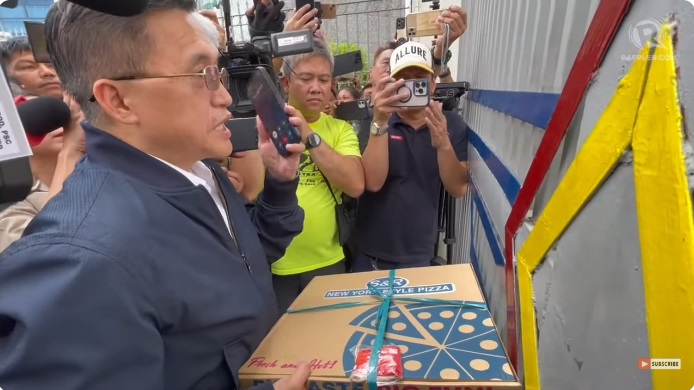
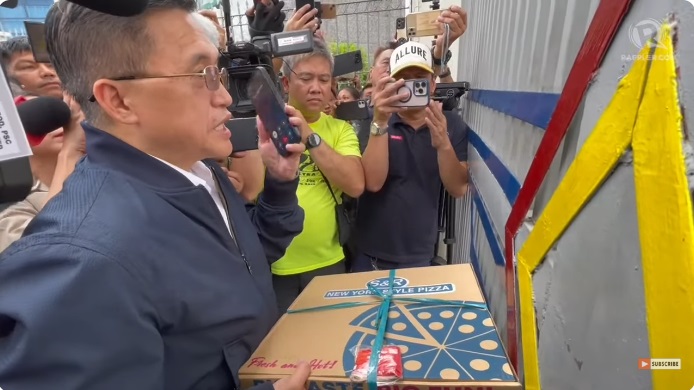
In the midst of this high-profile arrest, Duterte’s former top aide, Senator Bong Go, who is currently seeking reelection, was spotted outside Villamor Airbase attempting to deliver a box of S&R pizza. The request allegedly came from Duterte’s daughter, Kitty. Photos and videos of this unusual “pizza delivery” quickly went viral, sparking laughter and debate online.
For S&R, this unexpected publicity presents a double-edged sword. While viral moments can boost brand recognition, Duterte remains a deeply polarizing figure. Any response could impact public perception. As of now, S&R has remained silent, with its most recent social media post dating back to March 1.
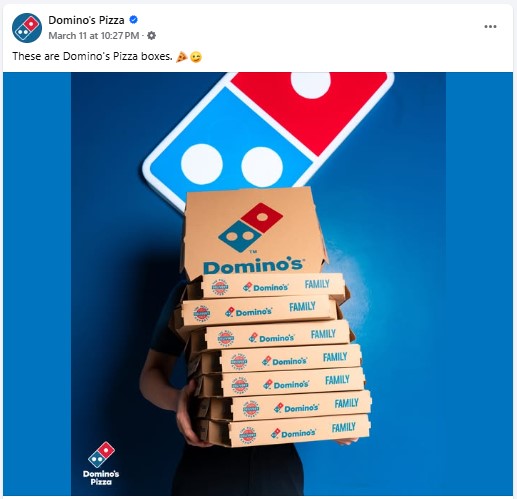
Meanwhile, other pizza brands seized the moment. Domino’s Pizza, whose brand colors resemble S&R’s, subtly reminded everyone of its identity with a simple post: “These are Domino’s Pizza boxes.” Without directly referencing the incident, the message was clear. The post quickly gained traction, amassing 76,000 laugh reactions and over 7,000 shares, with users jokingly asking if they deliver to Villamor Airbase or The Hague.
Pizza Hut also joined in, sharing a post from gaming content creator Kurimeow that humorously imitated Bong Go’s pizza delivery. While it didn’t generate as much engagement as Domino’s, it showcased the brand’s ability to capitalize on trending topics.
Pizza Hut, in particular, has not shied away from political themes. On the 39th anniversary of the EDSA People Power Revolution, they ran a free stuffed crust upgrade promotion with the caption, “The power is in your hands!” The imagery of raised fists subtly referenced the bloodless revolution. Given the current political climate (where many voters express regret over electing Bongbong Marcos) Pizza Hut managed to navigate the controversy with minimal backlash.

Not all brands have been as fortunate. During Duterte’s presidency, I worked with Cebuana Lhuillier, which traditionally acknowledged holidays, including the EDSA anniversary, in its social media posts. One year, we included a yellow ribbon, a symbol of the revolution, in our design. The backlash was swift. Customers flooded the comments with outrage, some even threatening to take their business elsewhere. We deleted the post immediately and, for years after, kept our EDSA anniversary posts strictly neutral, just mentioning that the branches are open. Recently, I noticed that Cebuana Lhuillier has resumed more overt celebrations of the event—along with the return of negative comments.
Should brands take a political stand? If the goal is to avoid controversy, then no. Aligning with a political figure or cause can win or lose customers, and in business, losing customers means losing revenue. Personally, I avoid brands that support politicians whose values don’t align with mine. However, brands shouldn’t fear dissent. A strong product or service can often withstand political divides. Cebuana Lhuillier’s EDSA backlash, for instance, had no lasting impact on its business (as far as I know).
Ultimately, brands must return to their core values and assess whether their political stance aligns with them. If they choose to engage, they must be prepared for both the risks and rewards of taking a stand in an increasingly politicized marketplace.

 OhayoKarlo
Leave a comment